


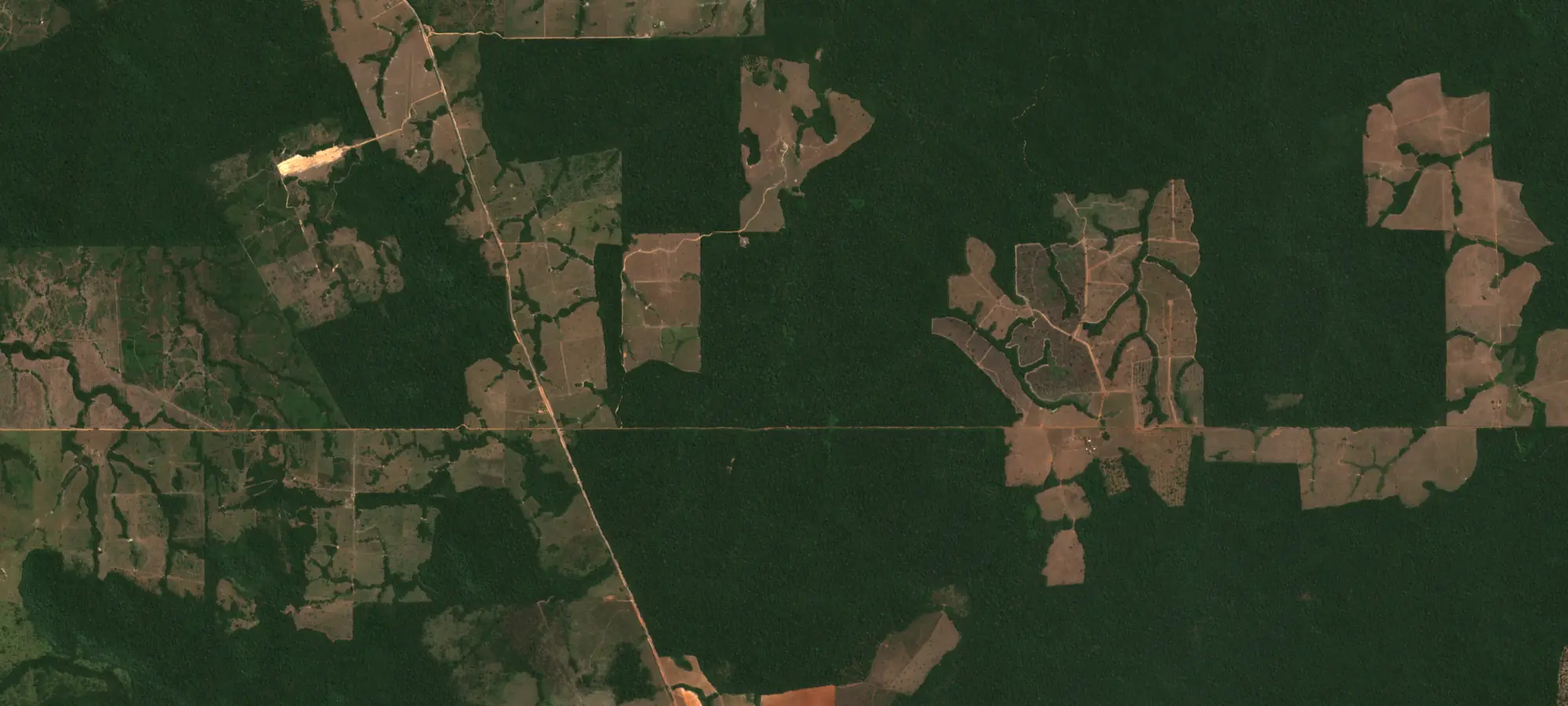
Deforestation detection for the EUDR
From your suppliers' plots to a filed statement, start to finish
Collect plots straight from your suppliers. Our own detection reads every clear satellite picture of a forested plot since before the 2020 cut-off, not just two, and outlines and dates every change. You record your conclusion and file to TRACES, from the same place.
Contains modified Copernicus Sentinel data 2026
Every step in one place
Most plots need nothing more than our result. For the few that do, everything that settles them happens here too.
- Collect Plots from your suppliers Your supplier
- Assess Every clear picture since 2020 Panspectra
- Ask Questions for your supplier Panspectra
- Answer With photos and documents Your supplier
- Decide Your conclusion on each plot You
- File Your statement, to TRACES You
Why Panspectra?
Premium detection
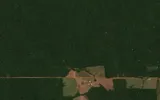
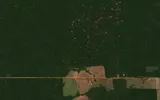
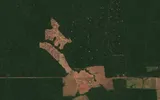
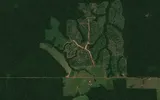
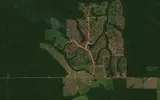
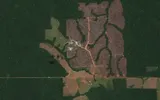
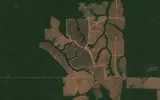
Our proprietary detection reads every clear satellite picture of a forested plot since 2020, not just two. It catches more real deforestation than the public alerts many tools rely on, and raises fewer false alarms: less risk for you, and less hassle.
Clear, explainable results
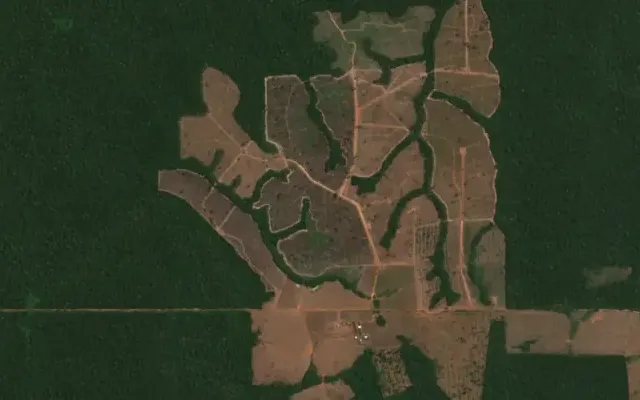
Every finding points to a specific area and the months it changed, with pictures from before and after and a plain account of what changed. You reach your conclusion with confidence, and can show why.
Supplier communication, handled
Ask your suppliers for their plots through our platform, in their language, with reminders. Where forest loss is suspected, they get specific questions they can answer, and you see all the evidence in one place.
Ready for an audit
Every report explains its finding in plain words, names every source behind it and carries a code anyone can check: something you can hand to an inspector with confidence. Underneath, our proprietary method pairs machine learning with statistical rigour.

Priced by the plot
Priced by the plot you assess, with plans for regular volumes. Tell us your volumes, and we will send you a quote.
Find out in four questions
What you trade, your place in the chain, your size and where it is produced: the checker tells you whether the EUDR applies to you, and from when. Or look up a customs code to see whether it is in scope.
Your commodity
What is in scope, the plots you will get, and what suppliers are usually asked, commodity by commodity.
-
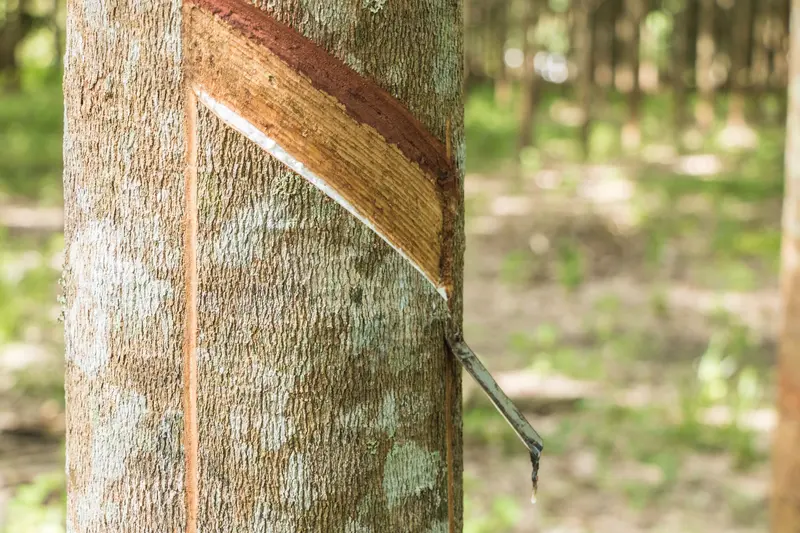 Rubber Plantations, replanting, and what left the scope in 2026.
-
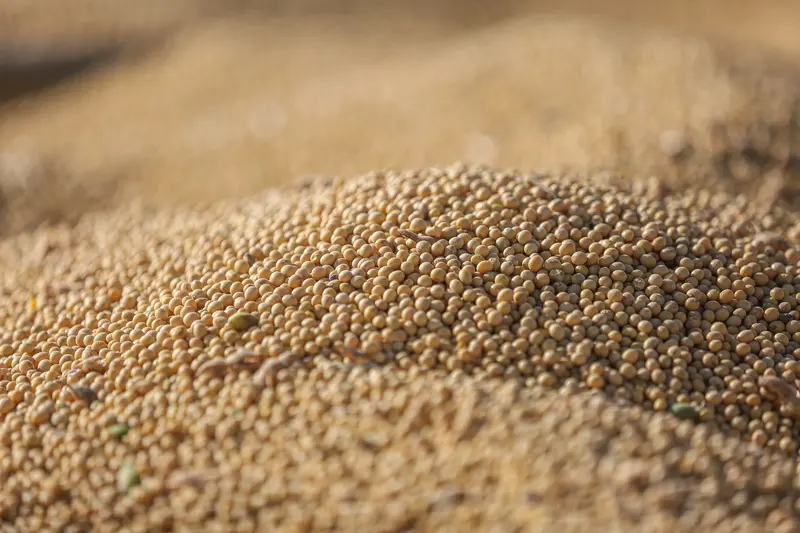 Soy Large farms, Brazilian CAR properties, and land that greens again within a season.
-
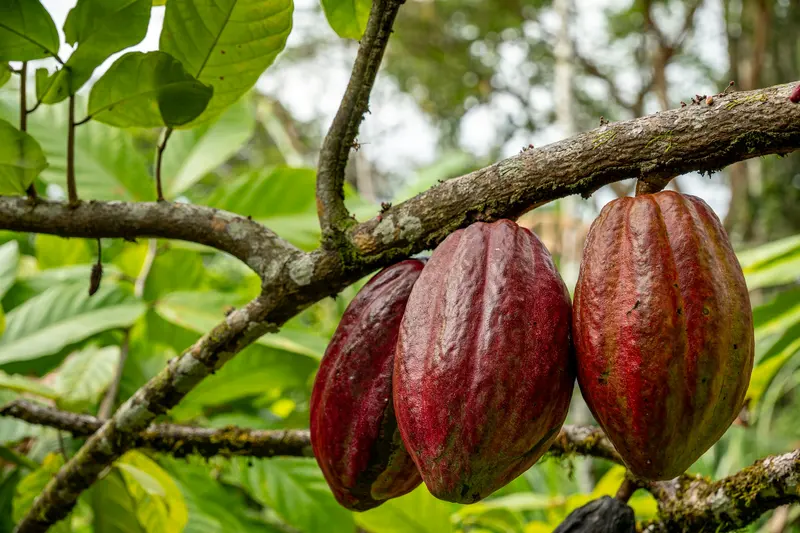 Cocoa From beans to chocolate, and plots under a canopy of shade trees.
-
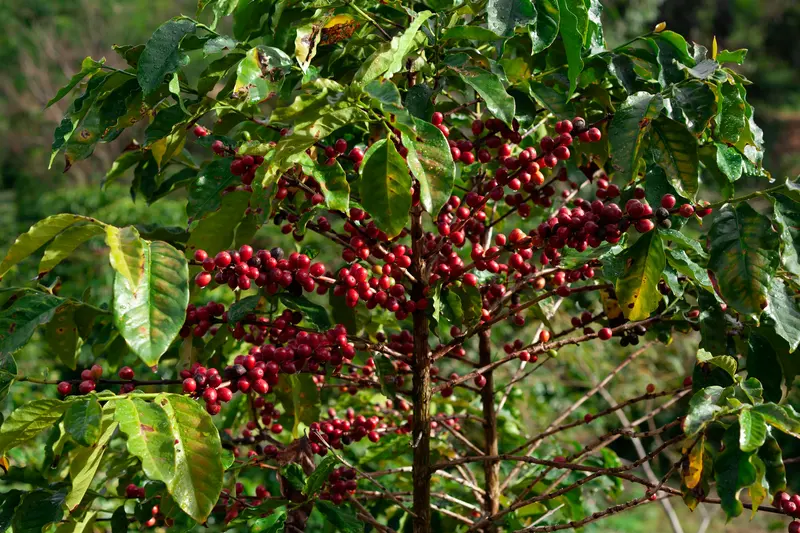 Coffee Green and roasted, smallholders' points, and shade-grown coffee.
-
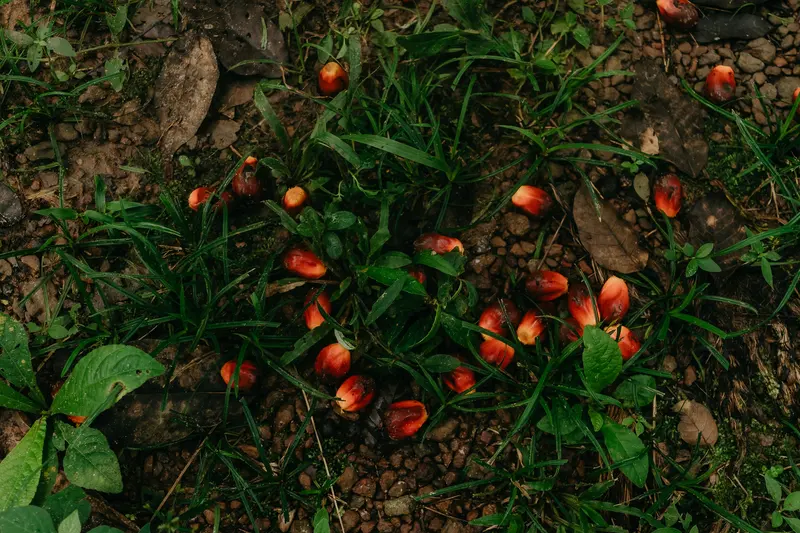 Palm oil Estates, smallholders, and replanting.
-
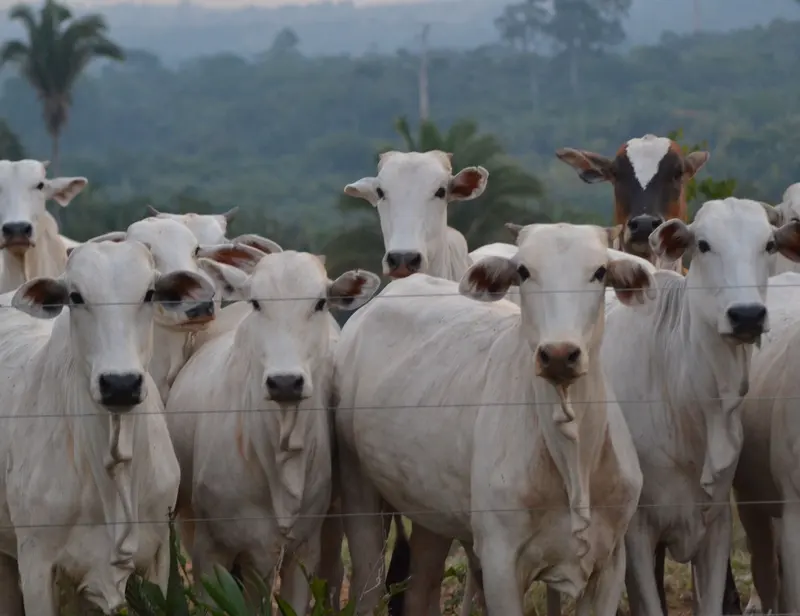 Cattle Every establishment where the animals were kept.
Questions we are asked
All questionsWhat part of my obligation does this cover?
Everything from your suppliers' plots to the filed statement: collecting the plots, the evidence that each is deforestation-free, the questions for your suppliers and their answers, your conclusion on each plot, and your statement filed to TRACES.
Do I need this for goods from a low-risk country?
A low-risk origin allows simplified due diligence, if every commodity in the goods comes from low-risk countries and nothing points to mixing or circumvention: no risk assessment or mitigation unless something points to a risk. The Regulation still asks for every plot's geolocation and for adequately conclusive and verifiable information that the goods are deforestation-free (Article 9), and information pointing to a risk, such as a report or an alert about a plot, brings back full due diligence.
How much work is it for us?
Asking your suppliers for their plots, from the app; reading the results; recording your conclusion where a plot needed your supplier's evidence; approving your statement. We set up your account, and there is nothing to install.
What if our suppliers have not mapped their plots?
They can send what they have: a spreadsheet of coordinates, a file from a mapping app, or a track walked round the farm. Each mistake is pointed out before anything is assessed, and an outline is better than a point wherever they can give one.
Do our suppliers pay or install anything?
No. They sign in with their email address, read everything in their language, and answer from a phone or a computer. What they write is saved as they go.
Do you assess legality?
No. Legality in the country of production is the Regulation's second condition, and satellite pictures cannot show it. It stays your own assessment.
What if we think a result is wrong?
Tell us why. A corrected outline is assessed again; if the pictures show something else, we look again, and a report we got wrong is replaced at no charge. The replaced report's code then says which report replaced it.
Why would an authority trust a result?
Because it can see what the result rests on: each change outlined and dated, with the pictures before and after, the method described in plain words on every report, and a code that shows the report is ours and unaltered. The method's documentation is available to competent authorities on request.
Do you file the statement for us?
If you choose. Connect your TRACES operator once, and each statement a person of your company approves is sent to TRACES for your operator, its reference number coming back to you. You stay the operator: we file as a technical service. Or file by hand, with the files we give.
Tell us what you import
Tell us what you import and from where, and we will set up your account.