


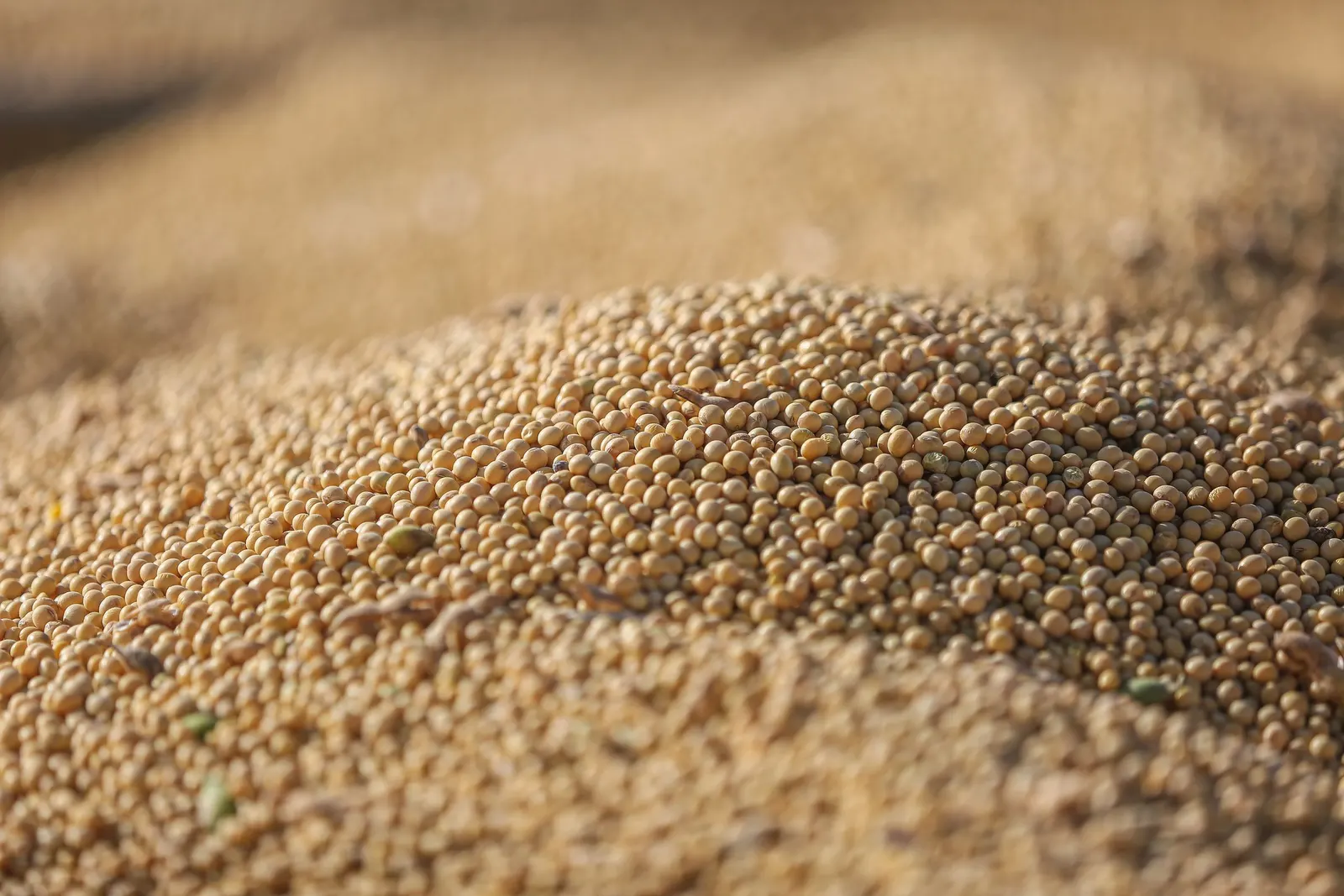
Soy, from the field to the filed statement
Soy reaches the EU as beans, meal and oil, much of it for animal feed, from farms that often run to hundreds of hectares. Every field behind it needs its outline and its evidence.
What is in scope
What is covered
Soya beans, soya flour and meal, soya oil and oilcake. Since 18 September 2026, beans for sowing are out of scope.
Who files
The company that first places them on the EU market files the due diligence statement: usually a crusher or a feed importer. The companies after it in the chain keep records of their suppliers and customers.
From when
From 30 December 2026, or from 30 June 2027 for companies that were micro or small on 31 December 2024.
The plots you will get
Large fields, so each needs an outline: a point is accepted only for a plot up to 4 hectares. A large farm stays one plot, as you declare it.
Your supplier can send a Brazilian property's boundary as registered in the CAR, the rural environmental register, and it is assessed as sent.
Ask the trader, cooperative or exporter for their farms' outlines from the app. They get an email in Portuguese or Spanish, with reminders, and send the outlines from their own list, in any common file.
Where it comes from
Most soy the EU imports comes from the Americas and the Black Sea: Brazil, the United States, Argentina and Ukraine among them. Each country's risk level changes what your due diligence must cover.
- Brazilstandard risk
- United Stateslow risk
- Argentinastandard risk
- Ukrainelow risk
Importing soy?
Tell us what you import and from where, and we will set up your account.
Other commodities
-
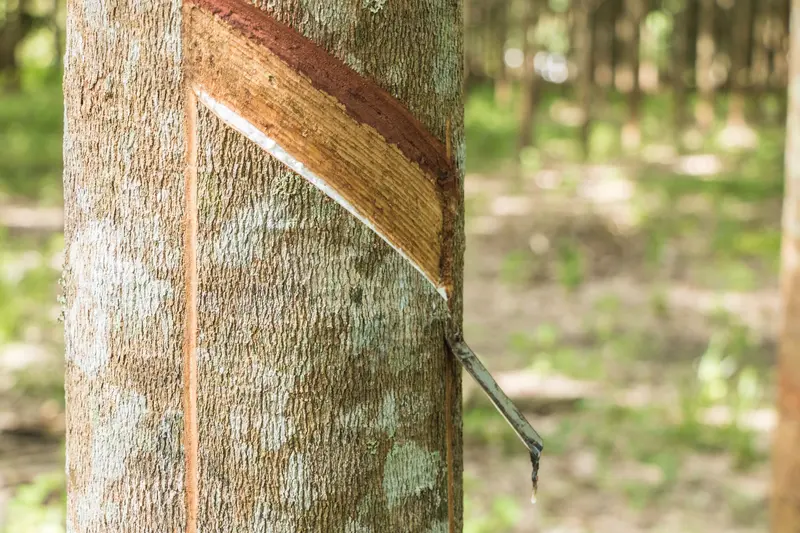 Rubber Plantations, replanting, and what left the scope in 2026.
-
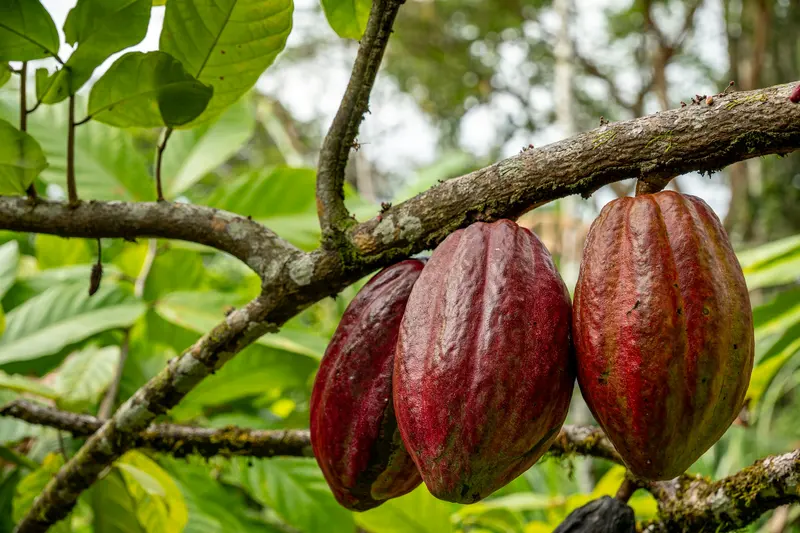 Cocoa From beans to chocolate, and plots under a canopy of shade trees.
-
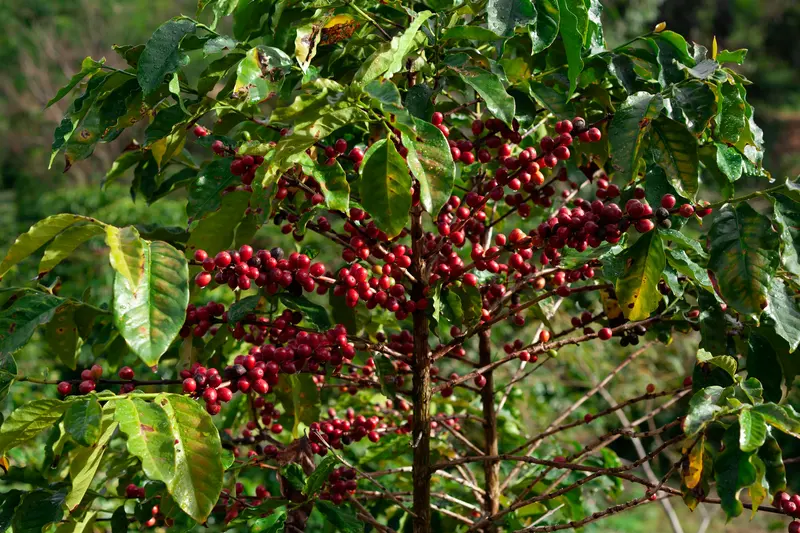 Coffee Green and roasted, smallholders' points, and shade-grown coffee.
-
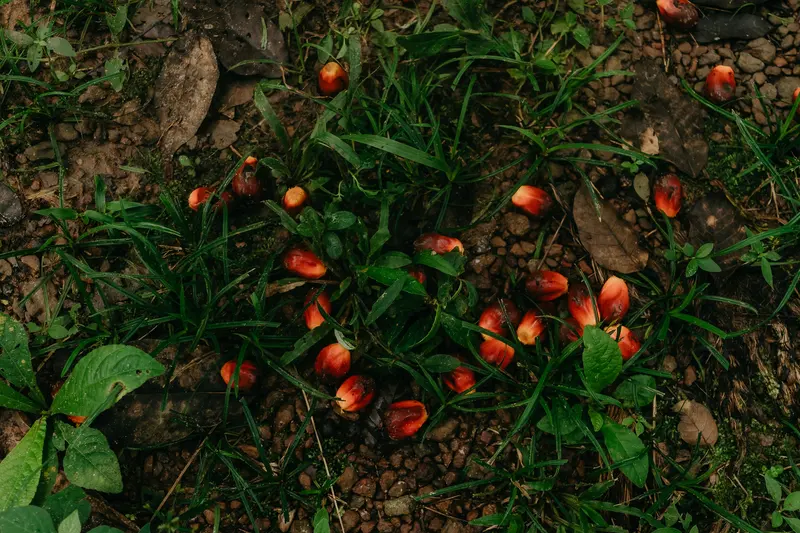 Palm oil Estates, smallholders, and replanting.
-
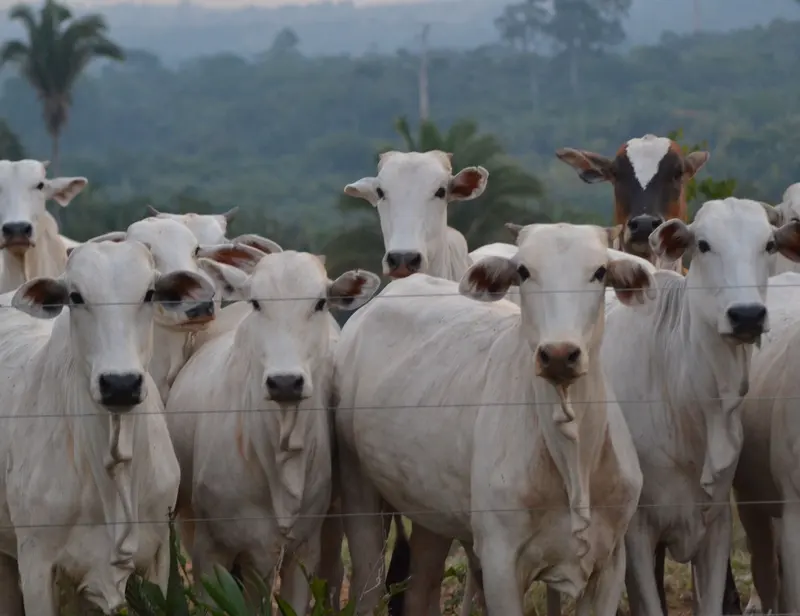 Cattle Every establishment where the animals were kept.